Reliable, fast internet is essential for modern life. From working remotely and attending online classes to streaming movies and connecting with loved ones, your internet connection matters. While there are several types of internet options available today, fiber broadband stands apart as the most reliable, fastest, and future-ready option.
At MLGC, we’re proud to provide fiber internet that keeps our communities connected.
What Is Fiber Internet?
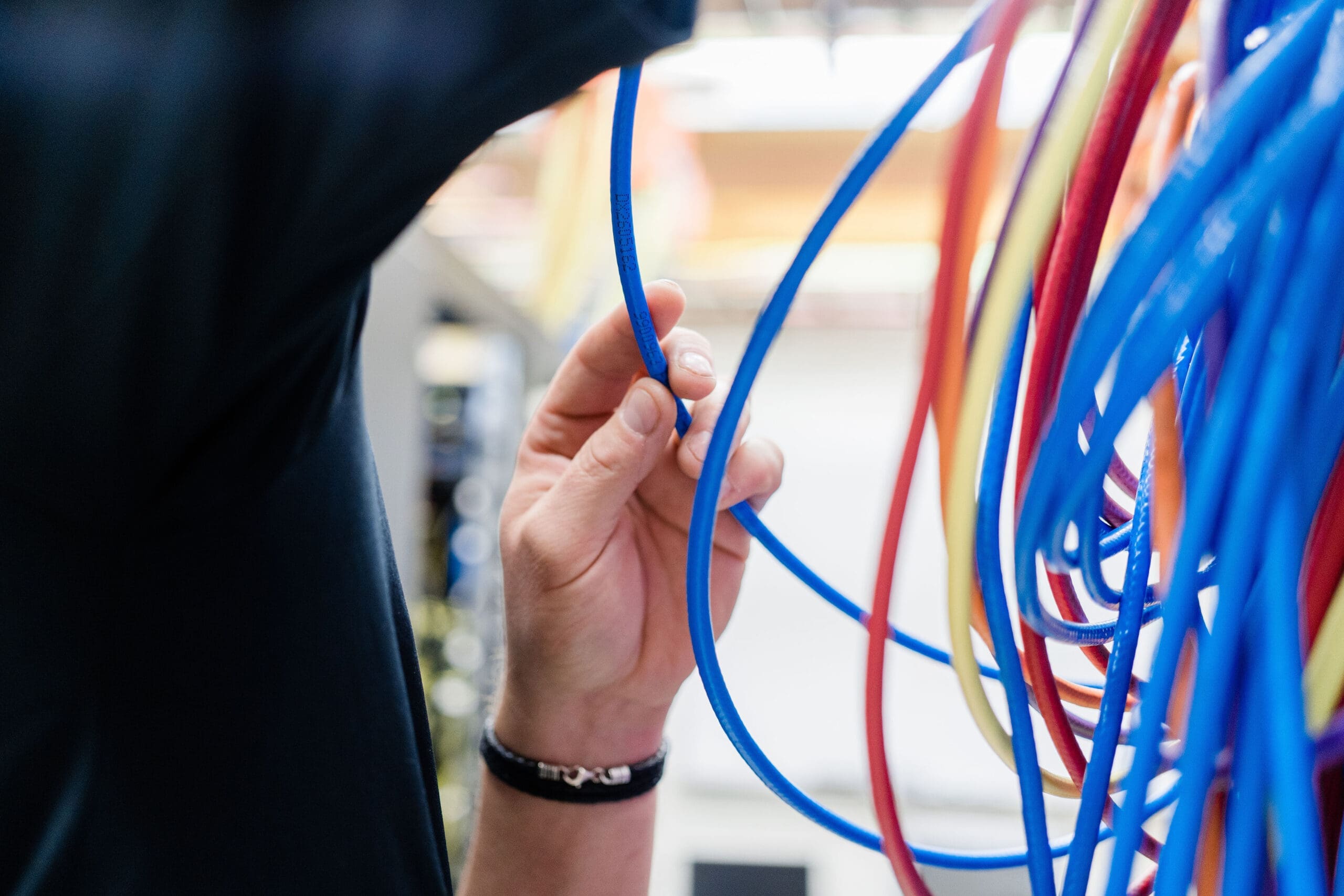
Fiber internet uses fiber-optic cables made of glass strands that transmit data as pulses of light. Because information travels at the speed of light, fiber delivers exceptionally fast speeds, extremely low lag, and unmatched reliability compared to other internet technologies.
Comparing Internet Technologies
Not all internet connections are created equal. Different technologies use different methods to deliver service, and each comes with its own advantages and limitations. Understanding the strengths and weaknesses of each option can help you choose the best connection for your home or business.
Fiber Internet
Fiber internet uses advanced fiber-optic lines to transmit data using pulses of light, creating the fastest and most reliable internet experience available today.
Strengths
- Extremely fast download and upload speeds
- Reliable connection with minimal interruptions
- Low latency for gaming, streaming, and video calls
- Handles multiple devices easily
- Future-ready technology built for growing demand
- Less affected by weather or distance
Weaknesses
- Availability may still be expanding in some areas
- Installation may require construction in new service areas
Best For
Homes and businesses that need dependable, high-performance internet.
Satellite Internet
Satellite internet connects homes through signals sent to satellites in orbit, making it available in many rural and remote areas.
Strengths
- Available in areas where wired options may not exist
- Can serve remote homes and farms
- No underground cable lines needed
Weaknesses
- High latency (delay), especially for gaming and video calls
- Slower speeds compared to fiber or cable
- Weather can affect service quality
- Data caps are common
- Higher cost for lower performance
Best For
Very remote locations without access to wired or tower-based internet.
Wireless Internet (Fixed Wireless)
Wireless internet sends signals from a nearby tower or access point directly to an antenna on your property.
Strengths
- Good option in rural areas
- Faster deployment than buried cable
- Can provide solid speeds depending on location
- No trenching required in many cases
Weaknesses
- Speeds vary based on distance from tower
- Trees, buildings, and terrain can interfere
- Weather may impact service
- Performance can slow during peak usage times
- Upload speeds may be limited
Best For
Areas where fiber is unavailable but tower access is strong.
Cable Coax Internet
Cable internet uses the same coaxial cable lines traditionally used for television service.
Strengths
- Widely available in many communities
- Faster than DSL in many cases
- Good speeds for general browsing and streaming
- Bundling options often available
Weaknesses
- Shared bandwidth may slow speeds during busy hours
- Upload speeds are often much slower than downloads
- Performance can vary by neighborhood congestion
Best For
Homes in urban or suburban areas looking for moderate to fast speeds.
DSL Internet
DSL uses traditional telephone lines to provide internet service.
Strengths
- Available in many established service areas
- Lower cost in some locations
- Simple setup where phone lines already exist
Weaknesses
- Slower speeds than fiber, cable, or wireless
- Speed decreases the farther you are from equipment
- Limited performance for streaming and multiple users
- Outdated technology compared to modern options
Best For
Light internet use such as email and basic browsing.
Why Fiber Stands Above the Rest
While every technology has its place, fiber internet offers the best combination of:
- Speed
- Reliability
- Low latency
- Equal upload/download performance
- Scalability for the future
As homes rely more on streaming, smart devices, remote work, telehealth, and online learning, fiber is the connection built to handle it all.
Ready for Better Internet?
MLGC is proud to invest in fiber technology that keeps our communities connected today and prepared for tomorrow.
Internet Type Overall Evaluation
| Internet Type | Speed | Reliability | Latency | Best Use |
|---|---|---|---|---|
| Fiber | Excellent | Excellent | Very Low | Everything |
| Satellite | Moderate | Fair | High | Remote areas |
| Wireless | Good | Good | Moderate | Rural coverage |
| Cable | Good | Good | Moderate | Everyday home use |
| DSL | Basic | Fair | Moderate | Light use |